

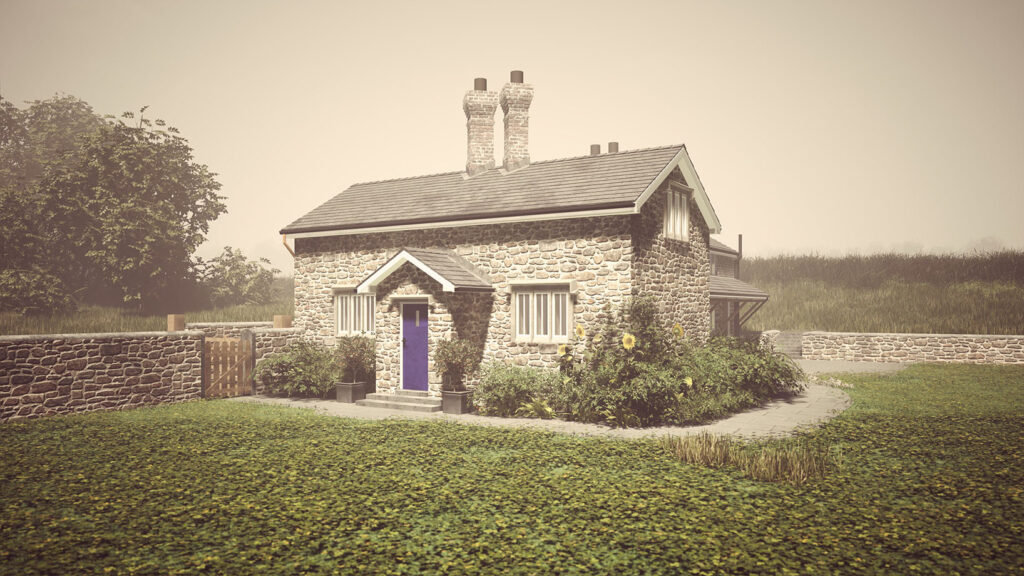
Services
Collingridge Architects handles a diverse array of projects, encompassing various building types.
We offer a comprehensive suite of architectural services, detailed below, to guide your project from initial concept through to completion. These services can be provided in full or in part, tailored to your specific needs.
By collaborating closely with skilled consultants and tradespeople, we can adapt our involvement to match the project’s requirements. Our services include feasibility studies; concept designs; detailed planning applications; technical construction documentation for manufacturers and contractors as well as traditional clients; and construction administration services using a variety of construction contracts.
Our work follows the RIBA Plan of Work, incorporating Passivhaus principles where applicable.
Architectural design
Architectural projects can vary greatly in their scope and duration, but there are constants that run through every one. We want our work to be sustainable, resilient, adaptable, enjoyable and beautiful. We want our projects to respond to their environment, whether physical, geographical, social or cultural, in order to enhance the lives of those who use them.
Collingridge Architects is a RIBA Chartered Practice, and we generally use the RIBA Plan of Work to structure our work on projects. The RIBA Plan of Work sets out the different stages of a project from initial thoughts and feasibility, planning applications, building regulation applications, through design and construction, to the completion of a project. We can provide a service for some, or all of these stages of a project.
There are some aspects of a project that we cannot advise on – structural engineering, mechanical engineering, cost, and so on. Where we need input from other professionals, we can help you find consultants, contractors and suppliers to provide that advice.
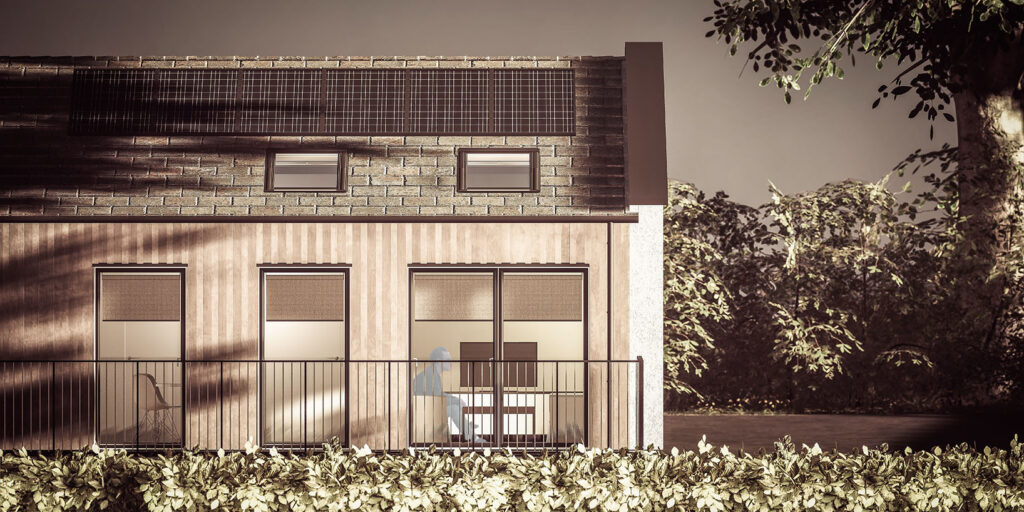
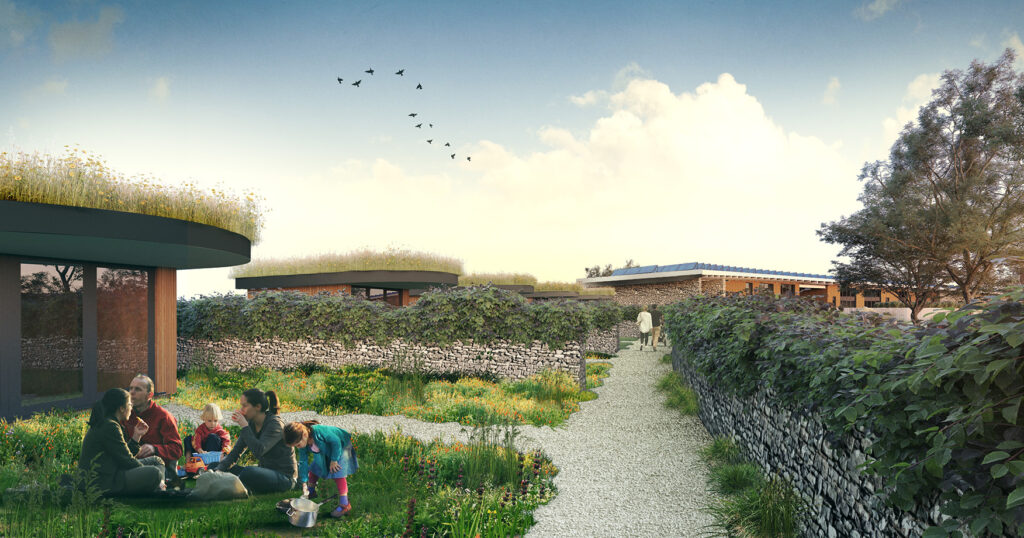
Sustainability and Passivhaus
Passivhaus is a building standard developed by Dr. Wolfgang Feist that is designed to be energy efficient, comfortable and affordable. It is a tried and tested construction concept that can be applied by anyone, anywhere around the world.
The main strategies for a Passivhaus project include:
- Very high levels of insulation to reduce the amount of heating required to a fraction of what it would be in a Building Regulations compliant equivalent
- Extremely high-performance windows, doors and rooflights with insulated frames, triple glazing, etc.
- Airtight building fabric to reduce heat loss through gaps in the building fabric
- ‘Thermal bridge free’ construction to avoid short cuts for cold to be transmitted form the outside to the inside
- A mechanical ventilation system with highly efficient heat recovery, otherwise known as Mechanical Ventilation Heat Recovery unit (MVHR)
Full Passivhaus certification (or EnerPHit for retrofitting existing buildings) requires a rigorous buy-in from client, contractor and architect. It may not suit every project or budget but some of the principles can be easily applied across more traditional approaches.
All new housing in Scotland will soon be required to meet the Passive House standard or a Scottish equivalent. The Scottish Government has begun developing the design standard, and intends to formally implement it in 2024.
For more information, visit the websites below:
Collaborative design
At the heart of every project there needs to be a collaboration. At the very least this will be between designer and client, in order to understand the aspirations of those who will use or inhabit the end product for years to come.
On smaller, more traditional projects, we consult with local professionals, and have developed relationships with consultants and suppliers.
With larger projects, more extensive expertise may be required, and we have built up lasting relationships with national, and sometimes international consultants, who can provide a wider breadth of experience and knowledge.
Sometimes we need to recognise that alone we may not have the right experience for a project, or others may benefit from our experience. More often than not, the sum of collaborative working can be greater than the sum of its parts.
Over the years we have matchmade clients with international architects to produce the world’s first named-architect designed distillery. We have worked with contractors on design and build schemes, and helped co-ordinate sub-contractor designed elements on other projects. We have helped interior architects grow their team and deliver amenity spaces for the tallest residential towers outside of London. We have worked with other architects, consultants and charities to deliver planning permissions and designs for community and cultural buildings; and have contributed to successful fund-raising bids to organisations, lottery funds, and central government.
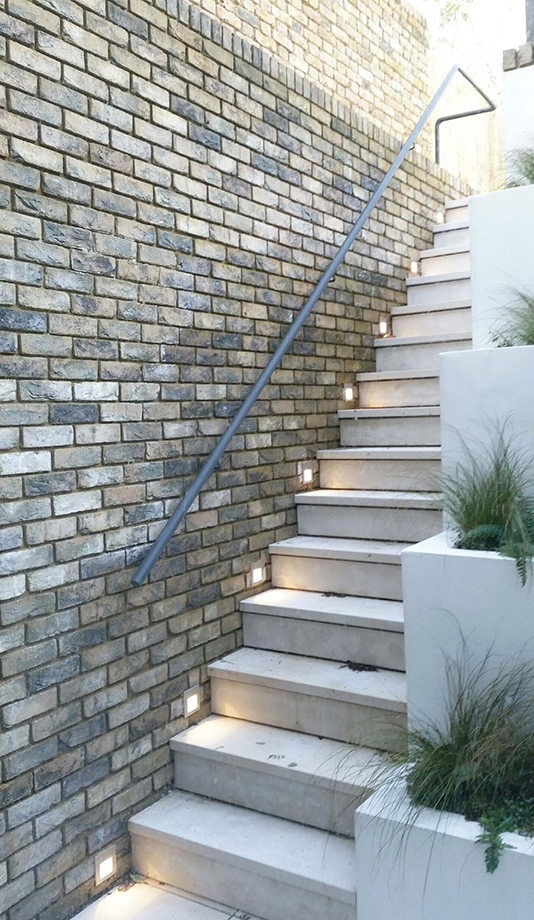
Visualisation
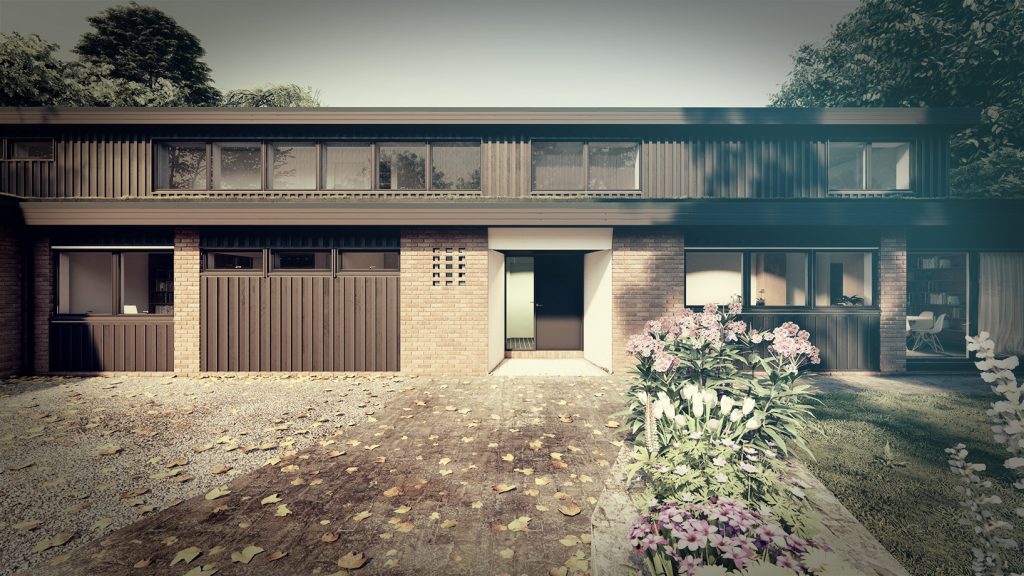
The traditional architectural approach of working to two-dimensional plans, elevations and sections at best can be hard to decipher, especially to a lay person. At worst, this can ultimately lead to mistakes, omissions and cost overruns when realising projects on site.
While there is always room in a project workflow for sketches and two-dimensional drawings, there are a number of tools available to us that can accurately explore and present design options and construction documentation as three dimensional still renders, walkthroughs, and interactive drawing sets.
As well as being able to explore live photorealistic renderings direct from working models, we can look at material options, reaction to lighting, weather conditions and times of year, and so on.
This has led to us, on occasion, modelling projects by other architects for developer clients, estate agents, contractors and so on to help them visualise a project. The outputs for these projects can vary – sometimes we have provided models for others to render; other times we have provided images and videos for planning negotiations, sales brochures, publicity material and site hoardings.
“…we will leave this place not less, but greater, better and more beautiful than it was left to us…”
Extract from the Athenian Ephebic Oath
